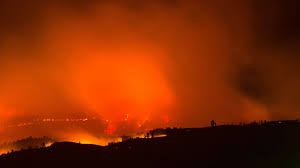
The major Ross Fire near Possum Kingdom Lake in North Texas has reached 100% containment, bringing a significant milestone to a wildfire that burned across parts of Palo Pinto and Jack counties for more than three weeks.
The fire began on August 24, 2026, under elevated fire conditions in Palo Pinto County. It quickly intensified, reaching five alarms within approximately an hour before spreading north into Jack County.
By September 16, officials estimated that the fire had burned approximately 90,400 acres and had reached 93% containment. The Texas A&M Forest Service has now reported that the fire is 100% contained.
Ross Fire Near Possum Kingdom Lake
The Ross Fire became a major wildfire incident in North Texas after rapidly spreading through dry ranchland near Possum Kingdom Lake.
The blaze grew dramatically during its first several days. Officials reported that the fire had reached roughly 50,000 acres before continuing to expand beyond 80,000 acres.
The fire ultimately affected a large area spanning Palo Pinto and Jack counties, requiring an extended firefighting response involving local and state resources.
Firefighters Worked for 23 Days
The Ross Fire remained an active firefighting operation for 23 days.
More than 500 first responders participated in efforts to contain the wildfire and protect property in the affected region. Crews worked to establish and strengthen containment lines while monitoring fire behavior and protecting areas threatened by the advancing flames.
The lengthy response reflected the size of the fire and the challenging conditions firefighters faced after it ignited during a period of elevated fire danger.
Possum Kingdom Fire Details
| Detail | Information |
|---|---|
| Fire | Ross Fire |
| Area | Near Possum Kingdom Lake, North Texas |
| Start date | August 24, 2026 |
| Primary counties | Palo Pinto and Jack counties |
| Estimated acreage burned | Approximately 90,400 acres |
| Containment | 100% |
| Duration | 23 days |
| First responders | More than 500 |
| Initial fire conditions | Elevated fire conditions |
| Current status | Fully contained |
| Fire cause | Not established in the latest update |
Current Safety Status
The latest official update changes the situation substantially from earlier reports describing active firefighting and containment operations.
With the Ross Fire now at 100% containment, the immediate wildfire-spread threat associated with the incident has been significantly reduced. However, containment does not necessarily mean every portion of the burned area is free from hazards.
Residents and visitors should continue following local instructions regarding restricted areas, damaged roads, smoke and other post-fire hazards.
Possum Kingdom State Park has also maintained a burn ban, under which wood fires are not allowed.
Damage and Recovery
The full extent of damage from the Ross Fire will continue to be assessed as emergency operations transition toward recovery.
A wildfire covering approximately 90,400 acres can affect ranchland, vegetation, wildlife habitat, roads, fencing and other property, meaning the consequences can continue well after flames are contained.
Officials will also continue evaluating the burned landscape and documenting the effects of the fire.
What Happens Next?
The focus now shifts from containing the Ross Fire to monitoring the burned area and beginning longer-term recovery work.
Fire officials will continue watching for remaining hazards while agencies and affected communities assess damage and determine what additional assistance may be required.
The full containment milestone represents the conclusion of the primary firefighting phase, but recovery in areas affected by the blaze is expected to continue.
For residents around Possum Kingdom Lake and the surrounding parts of Palo Pinto and Jack counties, the latest update provides an important change from the weeks of active fire response: the Ross Fire is now fully contained.
Disclaimer
This article reflects the latest available information concerning the Ross Fire near Possum Kingdom Lake. Fire conditions, restrictions and recovery information can change as officials complete assessments. Readers should follow local emergency authorities and fire agencies for location-specific safety instructions and any new restrictions.